
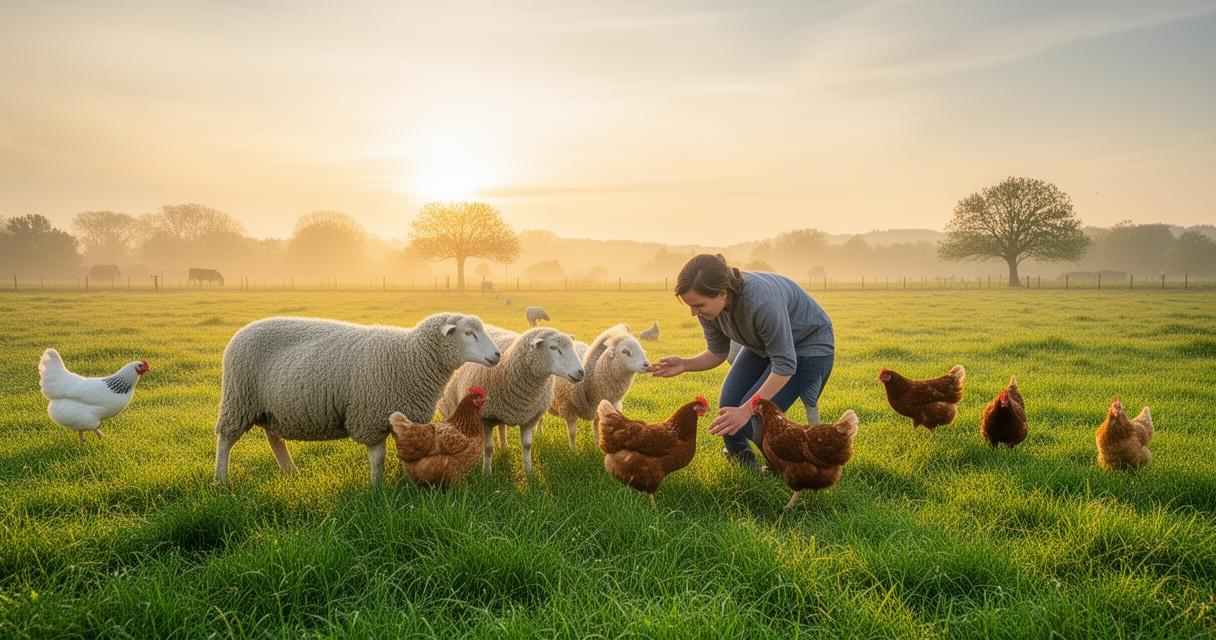
Whether you're welcoming a new puppy into your home, expanding your poultry flock, or managing a herd of cattle, successful animal husbandry relies on a blend of good instinct and solid practical knowledge. From cosy cat baskets to open pasture management, the principles of proper care remain remarkably consistent, and getting the basics right from day one makes all the difference to the wellbeing of your animals and the ease of your daily routine.
Key takeaways
- Successful animal husbandry relies on understanding both species-specific needs and universal principles of genetics, health, and temperament.
- Providing appropriate, secure, and well-ventilated housing is a foundational requirement for the welfare of both domestic pets and agricultural livestock.
- Effective seasonal management requires adjusting nutritional intake to help animals build winter reserves and manage the physiological stresses of changing temperatures.
- Choosing high-quality, age-appropriate feed and utilizing necessary supplements directly improves an animal's growth, coat condition, and overall resilience.
- Implementing preventative health measures, such as regular check-ups and biosecurity protocols, is more efficient than reactive medical treatments.
- Modern livestock management increasingly integrates technology and automated monitoring tools to optimize daily routines and track animal health.
- Accessing professional guidelines from agricultural organizations and connecting with peer networks provides essential support for continuous improvement in animal care.
Essential Foundations for Breeding and Rearing Domestic Pets and Farm Animals
Understanding the Fundamentals of Animal Breeding Standards Across Different Species
Every species brings its own set of requirements, yet the underlying principles of good breeding practice tend to overlap more than people expect. Whether you're focused on companion animals or working towards a productive smallholding, understanding genetics, temperament, and physical health markers helps you make sound decisions when selecting breeding stock. Reputable breeders pay close attention to lineage and known health conditions, ensuring that traits passed down do not compromise the animal's quality of life. For those managing chickens or cattle, breeding decisions also tie closely to productivity goals, meaning the right choices can influence egg yield, milk production, or overall herd resilience for years to come.
Establishing Proper Housing and Environmental Conditions for Optimal Animal Welfare
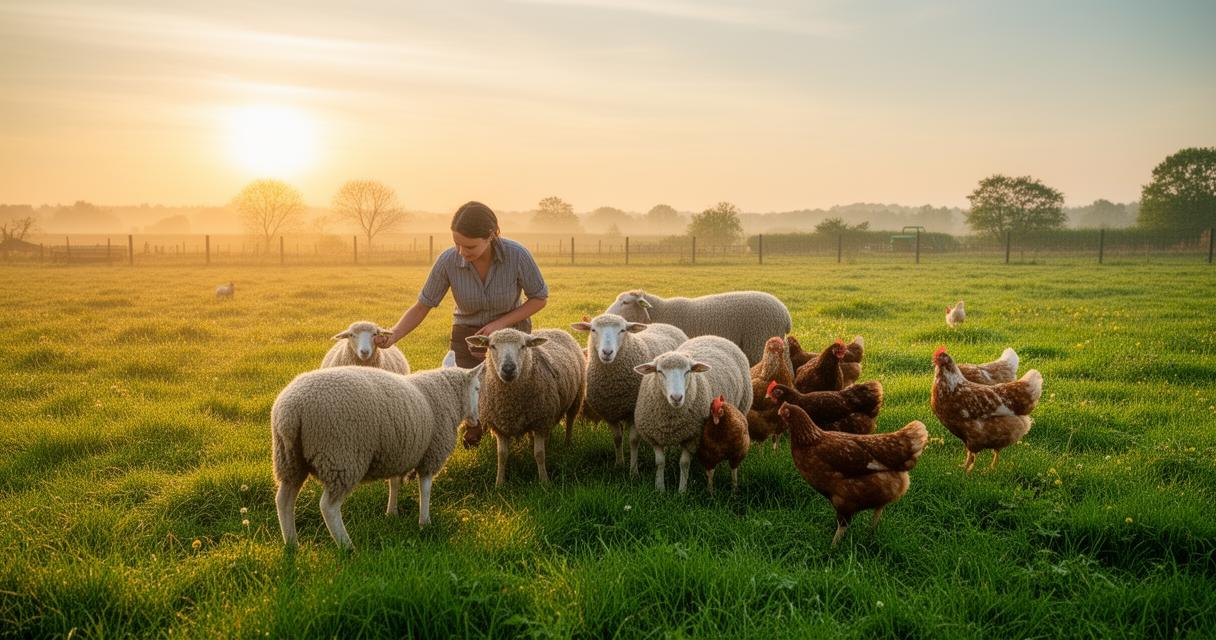
Shelter is one of the most overlooked aspects of animal care, yet it underpins nearly everything else. Dogs and cats need warm, draught-free spaces with enough room to move freely, while poultry require secure coops that protect against predators and damp conditions. On the agricultural side, proper housing extends to barns, stables, and pens designed with ventilation and drainage in mind. Suppliers offering a wide range of categories such as Arbour, Bats, Bird Food, Cat and Dog Supplies, Electric Fencing, Farm Supplies, Garden Furniture, Horse Accessories, Poultry Supplies, and Small Animal Food make it far simpler to kit out a smallholding or garden properly, and many now offer fast UK delivery options including express delivery for those who need supplies in a hurry. For farms with larger requirements, bulk orders are welcomed, which helps keep costs manageable when outfitting bigger operations.
Seasonal Feeding Strategies and Nutritional Requirements for Cats, Dogs, Poultry, and Livestock
Tailoring Dietary Plans Throughout the Year for Domestic Pets and Agricultural Animals
Seasonal livestock care is essential for year-round success, and nutrition sits right at the heart of it. Spring management typically includes transitioning livestock diets as fresh grazing becomes available, alongside ensuring shelters are thoroughly cleaned after the winter months. As the weather warms, summer brings its own challenges, with heat management and pest control becoming the priority to keep animals comfortable and free from parasites. Autumn is the season for preparation, meaning diets are enhanced to help animals build reserves before the cold sets in, and shelters are inspected for any repairs needed. By winter, the focus shifts to increasing food rations to compensate for the energy spent staying warm, alongside maintaining dry, insulated shelters that keep out draughts and damp. This applies just as much to a family cat or dog adjusting to colder walks as it does to a flock of hens or a herd out in the field.
Quality Feed Selection and Supplementation Techniques for Enhanced Animal Health
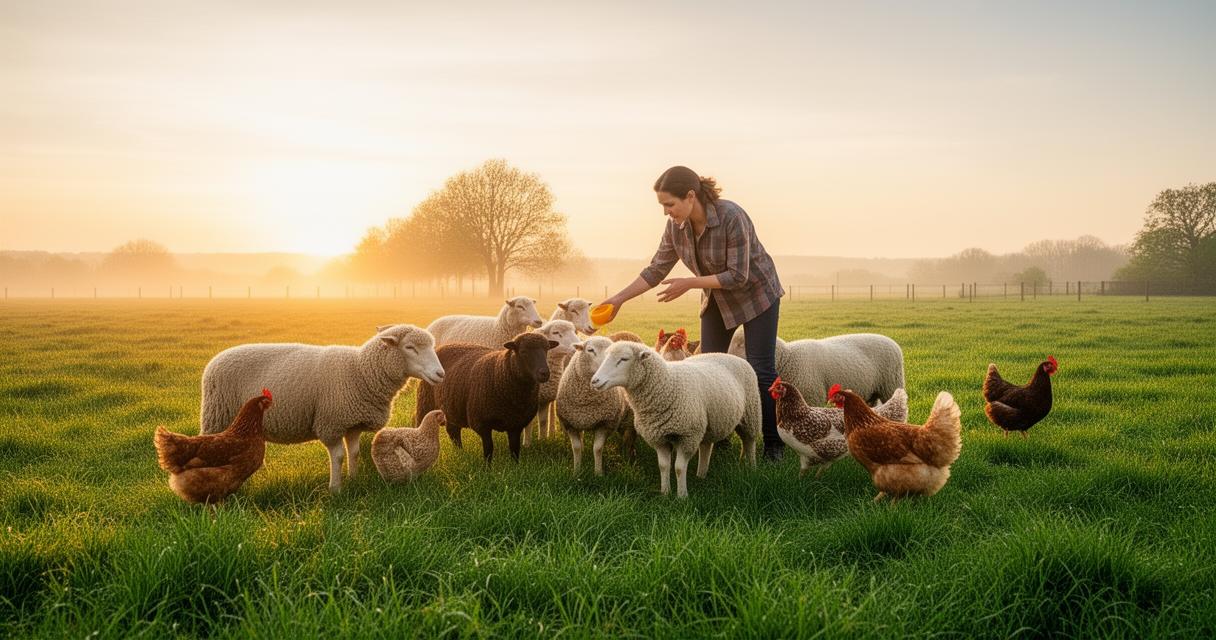
Choosing the right feed goes beyond simply filling a bowl or trough. Cats and dogs benefit from balanced diets suited to their age and activity level, while poultry thrive on a mix of grains and proteins that support laying and general vigour. Livestock owners often turn to supplementation during periods of stress, pregnancy, or extreme weather, ensuring animals receive the vitamins and minerals they might otherwise lack. Good nutrition and thoughtful feeding practices remain among the most influential factors in long-term animal health, directly affecting growth rates, coat condition, and even temperament.
Health Management, Training Methods, and Vocational Practices in Modern Animal Husbandry
Preventative Health Measures and Protection Protocols for Diverse Animal Species
Prevention is always preferable to cure, and this holds true across every species you might care for. Regular health checks, thorough record-keeping, and ongoing education remain among the best practices any owner or farmer can adopt. Biosecurity measures help stop the spread of disease between animals and across properties, while grazing management ensures pastures remain healthy and animals aren't overexposed to parasites lurking in overgrazed land. Effective livestock management integrates nutrition, animal health, welfare standards, biosecurity, and record-keeping into one cohesive approach, ultimately improving animal health, profitability, food quality, and environmental impact. Technology increasingly assists in this space too, with automated systems and monitoring tools helping farmers track everything from feeding schedules to early signs of illness, reducing the guesswork involved in day-to-day management.
Leveraging Social Networks and Professional Resources for Continuous Agricultural Management Development
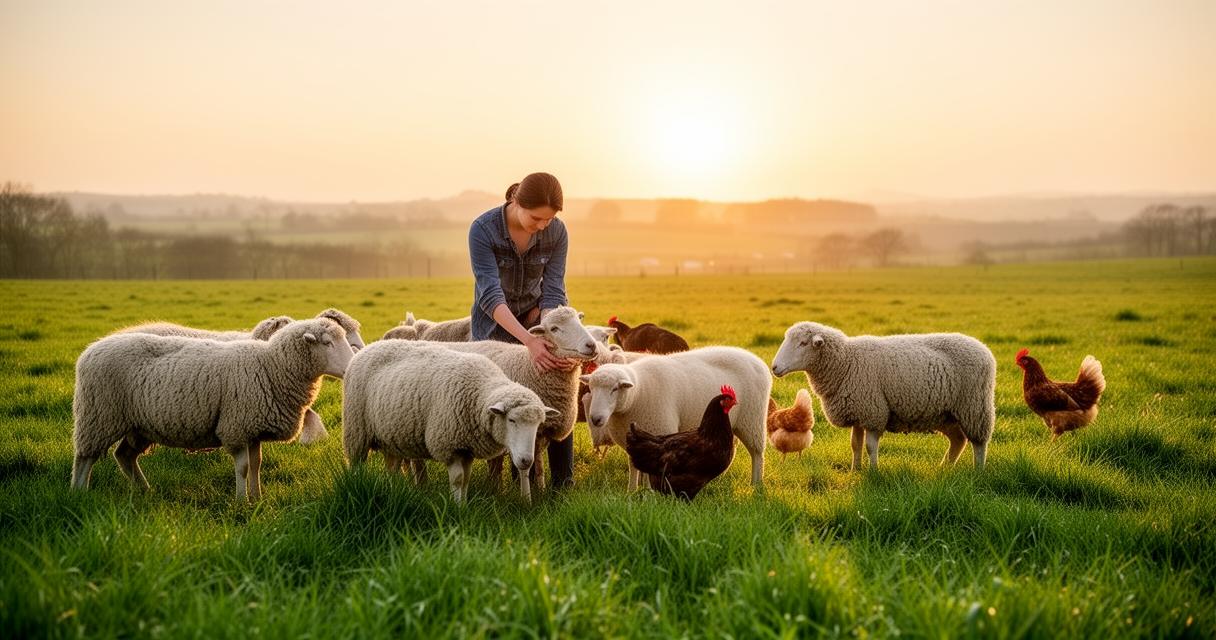
No one succeeds in animal care entirely alone, and tapping into wider networks can make a genuine difference. Organisations such as FAO, WOAH, DEFRA, USDA, and ILRI publish guidelines that inform best practice across the industry, offering a wealth of knowledge for anyone serious about improving their approach. Social networks and online communities have also become invaluable, connecting hobbyists and professionals alike who share tips on everything from coop design to cattle health. For those considering a career shift, Agricultural Recruitment Specialists help find jobs and talent in the farming sector, with recent guides covering how to become a farmer, a veterinary nurse, or even an arborist in the UK. Suppliers like Chestnut Mill Limited, based in Chippenham, Wiltshire, support this growing community by offering practical goods alongside flexible payment methods including PayPal and Visa, making it straightforward for both hobby keepers and commercial farms to stock up on essentials. For anyone looking to deepen their involvement in the sector, whether through purchasing quality supplies or exploring a new vocational path, the resources and networks available today make it easier than ever to raise animals successfully and responsibly throughout every season.
 How to provide proper care for a domestic rabbit?
 Providing Proper Care for your Pets: Why is it Important to know the details?
 Ensuring That Pets Stays Healthy: Why Is It Crucial To Give Your Pet Supplements?
 Exploring the World of Animal Communicators and Telepathic Connections
 Boost your dog’s mobility with natural joint supplements